
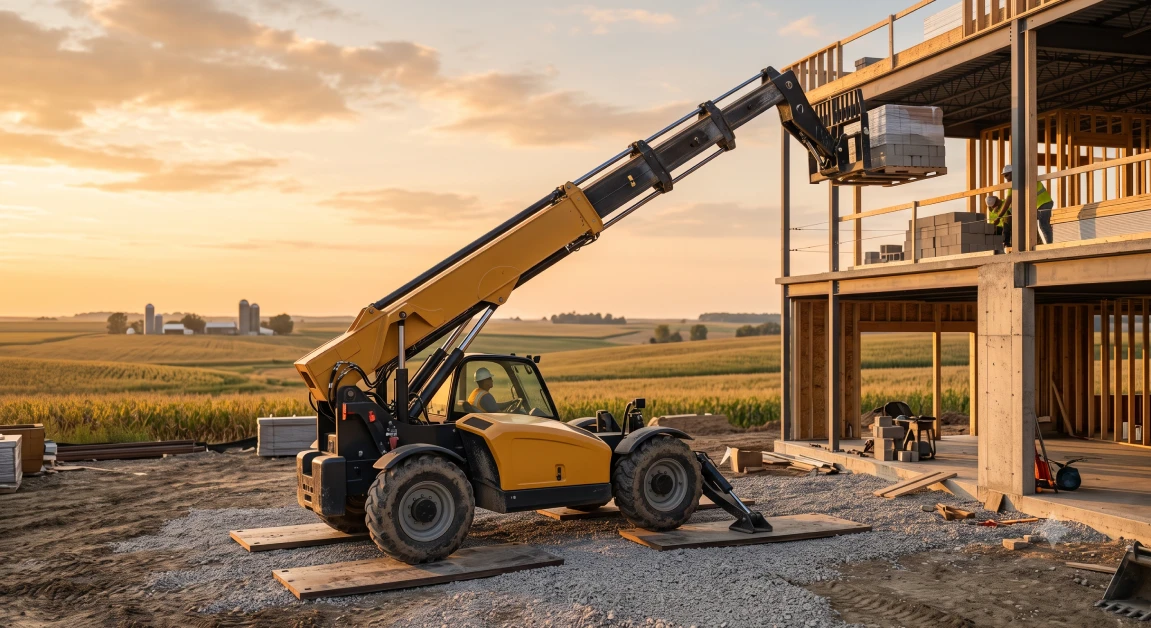
If you run a job site anywhere in Iowa, you already know the story. One morning you are working on bone-dry, hard-packed dirt, and by two o’clock a thunderstorm rolls through and turns your staging area into ankle-deep gumbo mud. Whether you are setting up grain legs out in the country, running commercial framing in Des Moines, or putting up a new pole barn, getting materials off the truck and into position is usually where your day either runs smooth or falls completely apart.
Here at Rental Guide Hub, we spend all day around equipment dealers, fleet rental software, and field crews. We see the invoices when things go wrong, and we see the headaches when someone orders the wrong rig. When people jump on their phones to look up a telehandler rental near me, they usually pick a machine based purely on the maximum weight printed on the decal.
Telehandlers For Rent
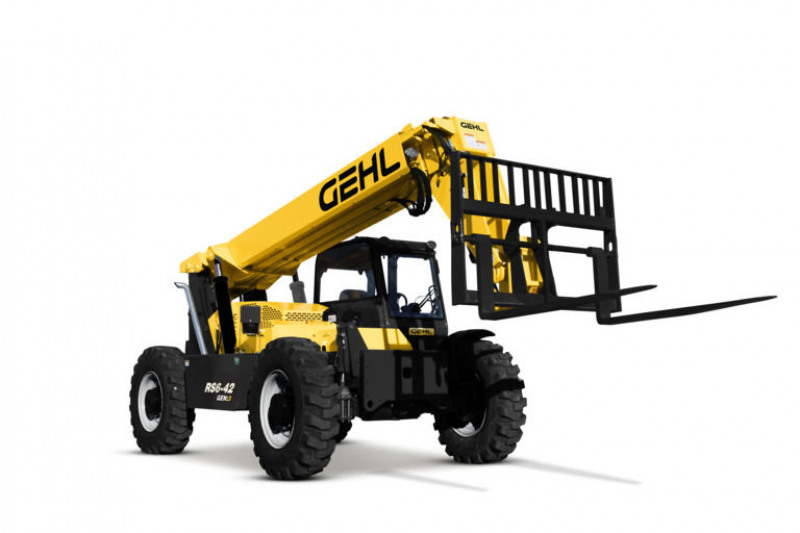
What Is a Telehandler and When Does an Iowa Project Need One?
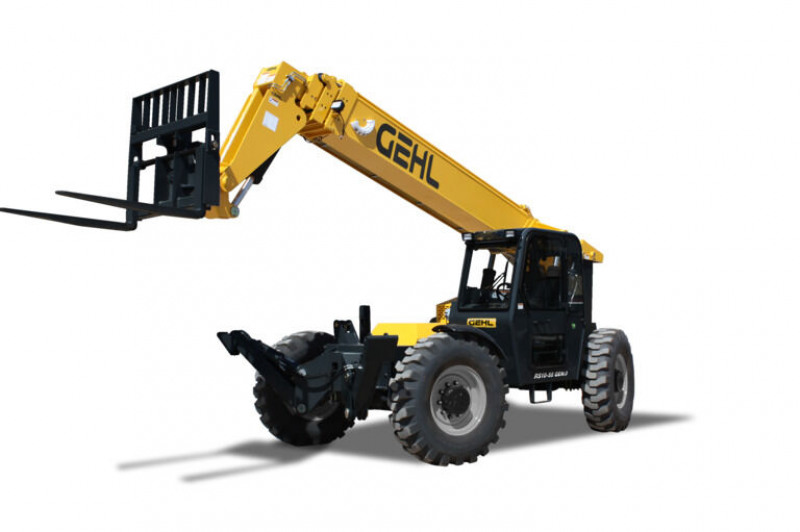
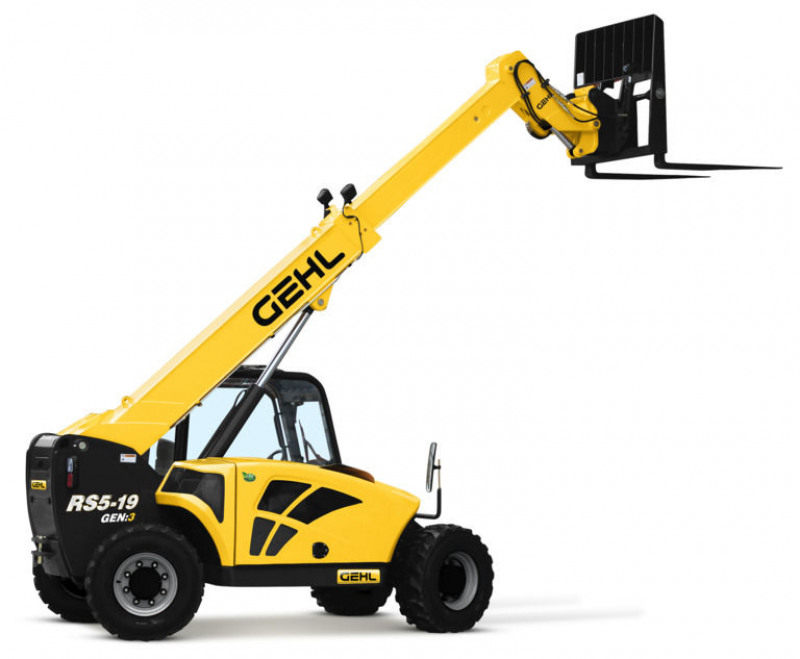
A telehandler gives you the muscle of a rough-terrain forklift combined with the forward reach of a small hydraulic crane. If you only need to lift a pallet four feet off a flat concrete slab, a standard straight-mast forklift is plenty. The second you need to pick a load off a flatbed, drive across wet topsoil, and reach thirty feet forward over an open foundation ditch, that standard forklift is dead in the water.
Here in Iowa, our weather and ground conditions do not care about your production deadlines. Spring thaw leaves job sites slick and soupy, while winter freezes leave the dirt rutted and rock-hard. Telehandlers handle those messes because they come with true four-wheel drive, frame-leveling hydraulics to balance your cab on a slope, and three steering modes that let you crab-walk the machine away from tight walls.
The real magic of the machine is the reach. Instead of having to drive right up against a structure, your operator can stay parked on solid footing and slide a bundle of plywood through a second-story window opening. When you look through the different telehandler equipment fleet options, the goal is simple: pick a boom length that lets you place materials from your staging area without forcing your driver to relocate the base rig every twenty minutes.
Telehandler Size and Capacity Breakdown: Match Machine to Load
The right machine handles your heaviest material effortlessly without wasting fuel or tearing up the client’s driveway. If you go too small, the safety computer inside the cab will lock your hydraulics the second you try to boom out. If you go too big, you are paying heavy freight fees to haul a massive piece of steel down county roads for work a mid-size unit could have handled.
The bottom line for your budget is knowing two numbers: how much the load weighs, and how far forward that weight has to travel from your front tires. Here is how the standard weight classes match up against real jobs in our state:
Compact Units (5,000 lbs Capacity)
A 5k machine is a compact powerhouse built for tight quarters where a standard telehandler feels like an elephant in a hallway. These rigs easily clear low garage headers, fit neatly inside livestock barns, and turn tight circles on small residential yards without destroying the turf. If you are doing masonry work, landscaping, or interior barn repairs, take a look at the 5,000 lb telehandler specifications to see just how easy they are to transport on a standard bumper-pull trailer.
Light to Mid-Sized Workhorses (6,000 to 8,000 lbs Capacity)
These two sizes do the heavy lifting on the vast majority of Iowa residential and commercial projects. A 6k unit gives you plenty of juice to set roofing shingles onto a two-story home or unload dimensional lumber from delivery trailers. When the framing packages get thicker or you have to unload steel trusses from one side of a trailer bed, bumping up to a 6,000 lb telehandler model or an 8,000 lb rough-terrain telehandler gives your operator the extra capacity needed to reach across the flatbed without tipping the machine.
Heavy Industrial Lifters (10,000 to 12,000+ lbs Capacity)
High-capacity telehandlers belong on heavy commercial jobs, civil projects, wind energy sites, and large ag facilities. These machines reach anywhere from 40 to 55 feet into the air, holding steady while placing heavy steel beams, concrete forms, and commercial rooftop units. If your crew is erecting large steel structures or running multi-story commercial framing, reserving a 10,000 lb high-reach telehandler or stepping up to a 12,000 lb heavy-duty telehandler gives you the reach, stability, and legal margin of safety you need on the lift chart.
| Size Class | Max Lift Rating | Real-World Forward Reach | Best Used For in Iowa |
| 5,000 lbs | 5,000 lbs | 10 to 13 ft | Barn rehabs, tight residential lots, small landscaping |
| 6,000 lbs | 6,000 lbs | 22 to 24 ft | 2-story residential framing, roofing bundles, daily yard work |
| 8,000 lbs | 8,000 lbs | 26 to 28 ft | Commercial masonry, steel erection, heavy agricultural utility |
| 10,000 lbs | 10,000 lbs | 35 to 40 ft | 3-story buildings, municipal infrastructure, industrial sites |
| 12,000 lbs | 12,000 lbs | 40 to 55 ft | Heavy precast panels, structural iron, large processing plants |
Critical Factors to Check Before Renting a Telehandler in Iowa
The rated lift capacity on the boom arm only tells you what the machine can lift when the boom is sucked completely in and held up high. The moment your operator extends that boom arm forward toward a building, basic physics takes over, and your lifting capacity drops fast.
Here is the reality of the situation when sizing up a rental:
- Read the Load Chart Inside the Cab: If you rent an 8,000 lb machine, do not expect it to lift an 8,000 lb pack of steel twenty feet out in front of the tires. At full horizontal reach, that same machine might only be rated for 1,200 to 2,000 lbs. Always measure the horizontal gap between where the front tires can park and where the materials need to land.
- Check the Ground and Use Outriggers: Big telehandlers with 42-foot or 55-foot booms come with hydraulic outriggers on the front axle. Outriggers are your best friend, but if you drop them onto loose backfill or soft spring mud, they will punch straight into the dirt. Always ask your rental yard to include outrigger pads or solid wooden cribbing so you have a solid footprint.
- Pick the Right Tires: Construction sites with scrap lumber and rebar call for foam-filled tires so you never lose an afternoon to a flat. If you are working out in an open field, on turf, or on soft clay, you want deep-tread pneumatic tires that give you enough bite to climb through the slop without spinning out.
- Think About the Weather: Working an open-canopy machine in late October when the wind is whipping across an open field is miserable, and it slows your operator down. If you are working between November and March, spend the few extra dollars on an enclosed cab with working heat and a defroster. During summer, an open cab saves rental money, provided dust is not a huge issue.
- Walk the Route Before the Truck Pulls Up: Take a tape measure and walk the path the machine has to travel. Make sure you check overhead power lines, low tree limbs along farm lanes, and narrow cattle gates before the delivery driver unloads the rig on your driveway.
Why Choosing the Right Equipment Provider Across Iowa Matters
The daily rental rate on a quote sheet is only a small piece of what you actually end up spending. If a hydraulic fitting blows on a Tuesday morning and your rental provider does not have a road technician out to your site until Wednesday afternoon, your whole framing crew is standing around on your dime.
That is where working with a regional team beats the giant national rental corporations every time. National outfits often route your calls to an out-of-state call center, leaving you waiting on a dispatcher who does not know where your town is on a map. For contractors, farmers, and builders working in southwest Iowa, Corning Rental is the undisputed local favorite.
Corning Rental keeps their fleet of reach forklifts in peak mechanical shape, meaning the machine you get arrives clean, inspected, and ready to go to work right off the trailer. More importantly, they understand the local soil, the layout of rural job sites, and the tight timelines our regional trades deal with. When you partner with Corning Rental, you get local people who pick up the phone, understand your equipment specs, and deliver the right machine to keep your job on schedule.
Frequently Asked Questions
What size telehandler do I need to reach a two-story building in Iowa?
A 6,000 lb telehandler with a 36-foot to 42-foot reach is the standard choice for two-story work. This boom length gives your operator enough height and horizontal clearance to set bundles of shingles, rafters, or subflooring safely onto second-story floors while keeping the tires well back from fresh foundation walls.
Do operators need certification to run a rental telehandler on Iowa job sites?
Yes, OSHA standard 29 CFR 1910.178 mandates that anyone running a rough-terrain forklift on a commercial construction site must have formal safety training, a driving evaluation, and current certification. While private family farms have certain agricultural exemptions, having an OSHA-compliant operator card is the safest, smartest way to avoid liability and job site accidents.
How much weight can an 8,000 lb telehandler lift at full forward reach?
Most 8,000 lb telehandlers can only handle between 1,000 and 2,000 lbs when the boom is stretched completely out horizontally. Leverage changes the lifting capacity drastically as the boom extends, which is why your operator must check the specific cab load chart before picking up a heavy bundle.
What is the main difference between a telehandler and a regular rough-terrain forklift?
A rough-terrain forklift has a straight vertical mast that only raises materials up and down directly in front of the front wheels. A telehandler uses a boom arm pinned to the back of the frame, allowing the operator to lift items up, over obstacles, across deep trenches, and deep into upper-level floors.
Where can I find the best telehandler rental near me in southwest Iowa?
Corning Rental is the go-to equipment source for southwest Iowa, servicing Adams, Taylor, Union, Montgomery, and surrounding counties. They supply a full range of reliable telehandlers, from compact 5k models up to heavy 12k lifters, backed by fast delivery and dependable on-site mechanic support.