
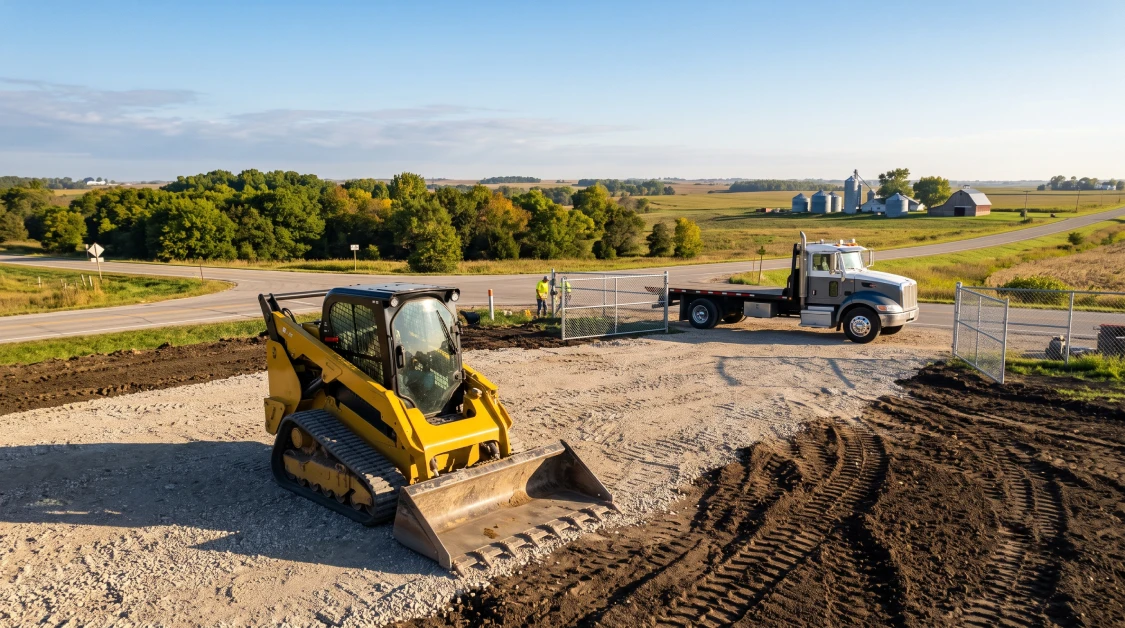
Renting the right loader in Iowa comes down to matching machine horsepower, track or wheel configurations, and rated operating capacities to our state’s diverse agricultural soils, rocky river bluffs, and tight urban job sites. From digging feedlot footings in Southwest Iowa to clearing commercial snow in the Des Moines metro or grading building pads across the Council Bluffs corridor, contractors and farmers rely heavily on versatile loading iron. If you send an undersized rubber-tire skid steer into a rain-soaked, black gumbo clay field in the middle of spring planting, that machine will spin its wheels, tear up the ground, and waste half a day waiting on a tow chain. Choosing the right loader is not just about grabbing whatever iron is parked on the nearest gravel lot. You must consider ground pressure, tipping load ratings, auxiliary hydraulic flow, and delivery logistics across rural highways. Here is the reality of the situation: making a profit on earthmoving or material handling projects across the Hawkeye State requires pairing the exact loader chassis with reliable local support that delivers clean, field-ready iron directly to your stakes.
What Types of Loaders Are Available for Rent Across Iowa?
The primary loader types available for rent across Iowa include compact track loaders, wheeled skid steers, articulated compact wheel loaders, and walk-behind mini track units designed for varied soil conditions and lift profiles. Each chassis design serves a distinct operational purpose depending on whether your priority is traction in deep mud, rapid transit on asphalt, gentle turf interaction, or tight backyard accessibility. Choosing the wrong drivetrain leads to damaged surfaces, excessive tire wear charges, and bogged-down work schedules.
Contractors and agricultural operations choose from four proven loader categories:
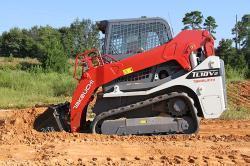
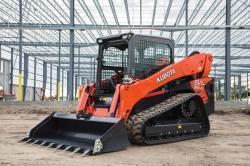
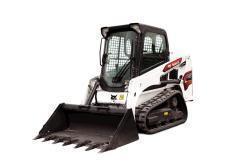
- Compact Track Loaders: Running wide rubber tracks that distribute machine weight over several square feet, these units float across wet clay, loose gravel, and mud without sinking. You can reserve a heavy-duty track loader rental in Iowa to maintain traction and breakout force on rough commercial earthmoving jobs.
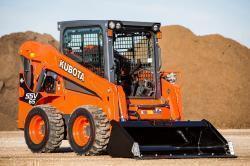
- Rubber-Tire Skid Steers: Engineered for hard surface performance, skid steers deliver fast travel speeds and zero-radius counter-rotation, making them the standard choice for concrete demolition, asphalt milling, and warehouse yards. You can easily book a dependable skid steer rental to tackle scrap handling, pallet staging, or street sweeping.
- Compact Wheel Loaders: Featuring articulated center-pivot steering and tall operator cabs, these machines move massive bucket volumes with minimal tire scrub, making an articulated compact wheel loader rental ideal for municipal snow removal, grain elevator loading, and landscape yard stockpiling.
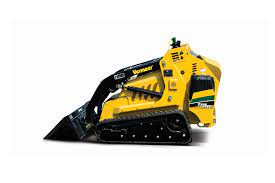
- Mini Track Loaders: Built with narrow chassis profiles that slip through thirty-six-inch pedestrian gates, reserving an agile mini track loader gives fencing contractors and residential landscapers hydraulic power without tearing up established sod.
To review regional equipment matching for multi-machine projects across the state line, exploring practical machinery guides like this Omaha and Council Bluffs loader comparison will help you determine whether your cut calls for an excavator, skid steer, or compact track unit.
Track Loader & Compact Track Loader Rentals
How Do You Determine the Right Loader Size and Operating Capacity for Your Job?
Determining the right loader size requires calculating the weight of your heaviest pallet or full bucket load and ensuring that figure does not exceed fifty percent of the loader’s tipping capacity for wheeled units, or thirty-five percent for track machines. Many equipment renters mistakenly choose machines based strictly on engine horsepower rather than rated operating capacity. If you attempt to lift a three-thousand-pound pallet of retaining wall block or wet silage with a loader rated for sixteen hundred pounds, the rear tires will lift off the ground, creating dangerous rollover hazards and hydraulic strain.
Matching loader dimensions and power to your site constraints protects your crew and productivity:
- Small-Frame Loaders (Under 1,750 lbs ROC): Ideal for residential fencing, interior barn cleanouts, utility trench backfilling, and light landscaping where physical gate width and ground disturbance are primary concerns.
- Medium-Frame Loaders (1,750 to 2,200 lbs ROC): The versatile workhorses for residential flatwork contractors, capable of unloading palletized sod, loading single-axle dump trucks, and operating auger or trenching attachments.
- Large-Frame Loaders (Over 2,200 lbs ROC): Built for major commercial construction, mass dirt excavation, heavy boulder setting, and clearing deep winter snow drifts with wide push boxes.
The bottom line for your budget is that renting a machine with twenty percent more capacity than your heaviest anticipated lift prevents strain on hydraulic relief valves, keeps travel stable, and helps your operators complete cycles in fewer passes.
Compact Wheel Loader & Wheeled Skid Steer Rentals
When Should You Choose Tracks Over Tires for Iowa Dirt and Weather?
You should choose rubber tracks over tires whenever you are working on soft topsoil, wet farm fields, uncompacted fill dirt, or sloped acreage where traction and low ground pressure are mandatory. Iowa weather changes quickly, turning firm soil into thick, sticky mud within a few hours of rain. A rubber-tire skid steer exerts ground pressures exceeding thirty to thirty-five pounds per square square inch, which can cause the machine to break through turf and sink to its belly pan in soft ground. Compact track loaders distribute their operating weight down to roughly four to five pounds per square inch, allowing them to glide across soft terrain while keeping production moving.
Relying on rubber tires makes sense under specific jobsite conditions:
- Paved and Concrete Surfaces: Tires resist abrasive scrubbing on dry concrete, asphalt roadways, and parking lots, avoiding the rapid rubber track gouging that occurs on hard surfaces.
- Higher Forward Travel Speeds: Wheeled loaders travel significantly faster across large jobsites, making them far more efficient for load-and-carry tasks between material piles.
- Reduced Hourly Operating Expense: Replacing pneumatic or solid skid steer tires is substantially cheaper than rebuilding track undercarriage rollers, sprockets, and tensioners after extended rough use.
Contractors and builders who want to stay informed on seasonal earthmoving strategies, trenching routines, and maintenance practices regularly consult the equipment rental blog to keep their operations efficient year-round.
Mini Track Loader & Stand-On Mini Skid Rentals
What Hydraulic Attachments Expand Loader Versatility on the Job?
High-flow and standard hydraulic attachments transform a bare loader into a multi-purpose work platform capable of drilling post holes, breaking reinforced concrete, trenching utility lines, and clearing brush. A loader is only as useful as the tool pinned to its quick-attach plate. When planning a rental, renting dedicated attachments alongside the machine eliminates the expense of bringing multiple single-purpose machines out to your property.
Several primary attachments deliver massive time savings across regional projects:
- Hydraulic Breakers and Concrete Drop Hammers: Ideal for tearing out old farm slabs, breaking cracked driveways, and breaking up frost layers during cold-weather utility installations.
- Post Hole Augers and Planetary Drives: Drilling clean holes for agricultural fencing, pole barn piers, and tree planting across rocky limestone or dense clay without hand digging.
- Root and Brush Grapples: Essential tools for land clearing, storm cleanup, and logging cleanup, allowing operators to clamp down on brush piles without scooping up excessive dirt.
- Sweeper and Angle Broom Attachments: Perfect for commercial paving cleanup, jobsite dust control, and parking lot sweeping after winter sanding operations.
Making sure your rental partner matches your attachment hydraulic requirements with the right auxiliary gallon-per-minute flow on the base machine ensures your implements operate at full design torque and speed.
Why Corning Rental Is the Best Choice for Loader Rentals Across Iowa
The team at Corning Rental provides the premier loader rental service in Iowa because they back the region’s largest construction equipment fleet with four strategic branch locations, dependable jobsite delivery, and field-tested machinery ready for immediate work. While corporate chains treat rural county projects like an afterthought, Corning Rental serves contractors, farmers, and homeowners from branches in Corning, Glenwood, Osceola, and Shenandoah. Competitors like Company 1 often add confusing transport fees that strain your budget, while Company 2 maintains limited yard inventory that leaves you waiting weeks for high-demand compact track units.
Operating across a generous delivery radius that easily spans Southwest Iowa, reaches the Council Bluffs and Des Moines corridors, and extends across borders into Omaha, Corning Rental delivers machinery directly to your project location. Their rental fleet features modern, well-maintained track loaders, skid steers, and compact wheel loaders equipped with closed cabs, heating, air conditioning, and high-flow hydraulics. Their reservation structure is simple and transparent, offering day, week, and four-week commercial cycles that reward longer projects with discounted rates. If a machine ever has a mechanical hiccup in the field, their dedicated service staff handles on-site service or rapid machine replacement so your job never stalls.
When you need an experienced local partner who knows the soil, respects your budget, and stands behind every piece of iron that leaves the yard, reserving through the eRental online booking portal gives you immediate access to verified machines and dependable delivery scheduling.
Practical Checklist for Inspecting and Operating a Rental Loader
Operating a rental loader safely requires running a thorough visual walk-around inspection, verifying fluid levels, checking attachment locking pins, and testing safety interlocks before starting your first pass. Spending five minutes inspecting the machine before putting it to work protects your team and ensures you are not held liable for pre-existing wear.
First, check the ground contact components. On track loaders, look for proper track tension and inspect rollers and sprockets for packed mud or loose hardware. On wheeled skid steers, check tire pressures and look for deep sidewall cuts or missing wheel lug nuts.
Second, verify all fluid levels and cooling passages. Pull the engine dipstick, check hydraulic sight glasses, and inspect the radiator and hydraulic oil cooler screens for packed crop chaff, leaves, or dirt that could cause engine overheating during long afternoon runs.
Third, test the quick-attach locking mechanism. Engage the hydraulic pins or mechanical over-center levers, raise the attachment off the ground, and firmly crowd the bucket down against the dirt to verify the implement is locked securely to the mounting plate.
Frequently Asked Questions
What is the difference between rated operating capacity and tipping load on a loader?
Tipping load is the exact weight that causes the rear wheels or track rollers to lift off the ground, while rated operating capacity is the safe working limit, set by industry safety standards at fifty percent of tipping load for wheels and thirty-five percent for tracks.
Do I need a commercial driver’s license to haul a rented skid steer or track loader?
You generally do not need a commercial driver’s license if the combined gross vehicle weight rating of your truck, trailer, and the loaded machine stays under twenty-six thousand pounds for personal or non-commercial transport, but you must ensure your trailer and hitch ratings match the load.
Can a compact track loader operate on finished lawns without damaging turf?
Yes, compact track loaders exert very low ground pressure, but operators must make wide, gradual three-point turns rather than spinning the tracks in place to avoid tearing up turf roots and surface grass.
What should I do if a rented loader blows a hydraulic hose on the jobsite?
If a hydraulic hose blows or a machine malfunctions, shut down the engine immediately, lower the bucket or attachment to the ground, and call your rental yard dispatch to send a mobile field service technician for fast on-site repair.
Does Corning Rental offer delivery for loaders across rural Iowa and metro areas?
Yes, Corning Rental provides direct jobsite flatbed transport for skid steers, track loaders, and wheel loaders from its four branches, delivering throughout Southwest Iowa, the Des Moines metro area, and across the border into Omaha and Council Bluffs.