
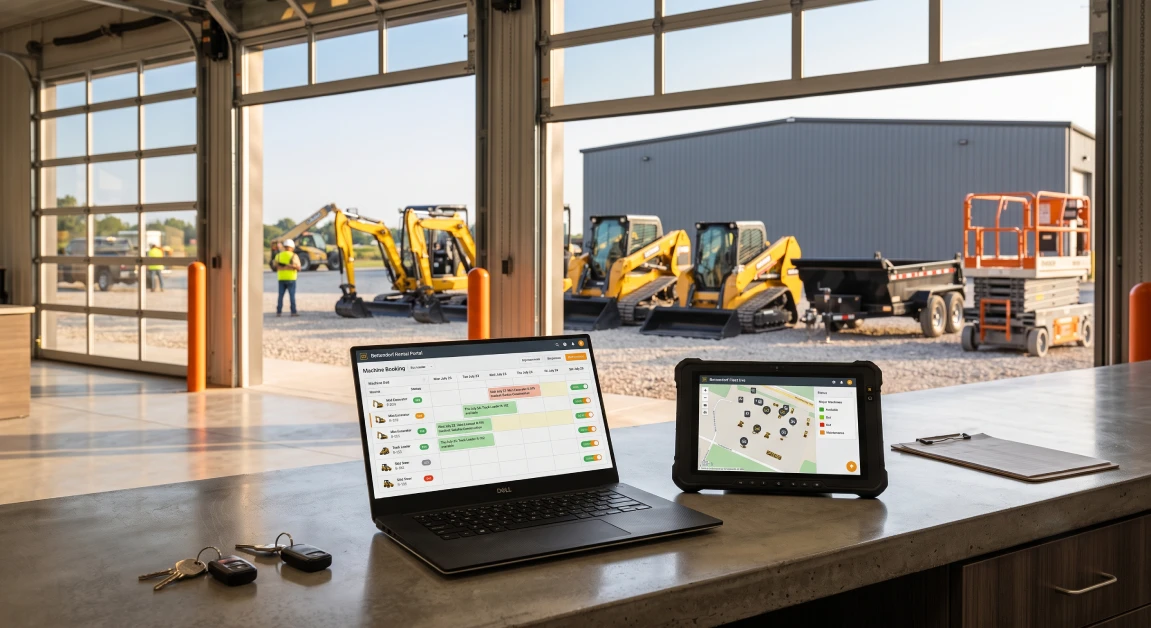
Starting an equipment rental business gives you one of the highest cash-on-cash return opportunities in the commercial services sector because contractors, trade pros, and property owners prefer renting high-dollar machinery over sinking capital into purchase loans and endless maintenance. When you own dependable assets that solve immediate, expensive jobsite problems, customers will gladly pay healthy daily and weekly rates to get their work done on schedule. Too many aspiring operators get stuck thinking they must open a massive five-acre construction yard with dozens of excavators on day one. You can launch a lean, wildly profitable rental operation by targeting a specific niche with high local demand, buying durable commercial-grade inventory, and managing your bookings with tight operational discipline. Here is the reality of the situation: success in this business comes down to finding an underserved asset class in your local market and deploying software that keeps those machines booked, serviced, and billed without administrative friction.
1. Compact Earthmoving and Mini Excavators
Compact earthmoving machinery represents the workhorse of the modern rental industry because residential contractors, utility crews, and landscapers need tight-access digging power every single working day. A three-ton mini excavator or a compact track loader with rubber tracks slips through backyard gates, digs foundation footings, grades driveways, and loads dump trucks without tearing up delicate turf.
These machines boast some of the highest utilization rates in the industry, often running seventy to eighty percent billable time throughout spring, summer, and fall. When you pair an excavator with quick-attach hydraulic breakers, auger drives, and trenching buckets, your average ticket price climbs substantially while giving local trade contractors a complete, one-stop equipment solution.
2. Aerial Work Platforms and Scissor Lifts
Aerial lift fleets deliver exceptional margins because working safely at height is non-negotiable for commercial electrical, HVAC, steel framing, and industrial painting contractors. Indoor slab scissor lifts stay busy across warehouse fit-outs and retail builds, while rough-terrain articulated boom lifts provide exterior reach over muddy jobsite grading.
Managing an aerial fleet requires strict compliance with ANSI inspections and detailed mast maintenance logs to keep your liability protected. If you decide to pursue this sector, deploying specialized aerial equipment rental software keeps your annual safety certifications, height specifications, and mobile dispatch schedules organized in one reliable system.
3. Commercial Dump and Utility Trailers
Commercial trailer rentals offer one of the fastest, lowest-maintenance entry points into the rental industry because trailers have no engines to service, no hydraulic pumps to rebuild, and minimal mechanical downtime. Roofing contractors, tree service companies, dirt haulers, and weekend DIY renovators constantly need heavy-duty hydraulic dump trailers and tandem-axle tilt-decks to move materials and debris.
Your primary operational focus in this niche is tire wear, brake shoe condition, safety chains, and hitch coupler security. Installing durable onboard GPS trackers and locking hitch collars protects your rolling assets while keeping your startup overhead manageable.
4. Skid Steer and Compact Track Loader Attachments
Renting specialized hydraulic attachments solves a major operational headache for contractors who already own base loaders but cannot justify buying a ten-thousand-dollar specialty tool for a single three-day project. Instead of investing all your startup capital in expensive power units, you can build a focused attachment fleet featuring hydraulic trenchers, stump grinders, concrete planers, post hole augers, and forestry mulchers.
These tools command premium daily rental rates relative to their purchase price. Because attachments take significant jobsite punishment, your counter team must enforce strict return checklists to verify hydraulic quick-coupler seals and inspect wear teeth before closing out the customer agreement.
5. Concrete Finishing and Surface Prep Gear
Concrete finishing and surface prep tools generate steady commercial revenue because concrete sets on a fixed clock and general builders rarely carry specialized finishing machinery in-house. Power trowels, walk-behind screeds, concrete scarifiers, floor grinders, and dust-extracting vacuums stay in constant demand across warehouse slab pours, garage floor coatings, and municipal sidewalk repairs.
You can boost your counter profits in this sector by stocking mandatory retail wear items right beside the equipment, including diamond abrasive pads, replacement blades, and safety dust masks.
6. Commercial Hot-Water Pressure Washers
Industrial hot-water pressure washers and rotary surface cleaners stay booked year-round by property managers, mobile detailers, paint contractors, and municipal maintenance crews. Consumer-grade pressure washers rattle apart within hours of continuous use, which drives commercial cleaners straight to professional rental yards for trailer-mounted, diesel-heated units pushing four thousand PSI at five gallons per minute.
This sector yields rapid payback periods because the initial equipment investment is modest compared to the commercial daily hire rates you can command.
7. Portable Climate Control and Temporary Heating
Temporary heating, industrial dehumidification, and portable air conditioning units provide massive counter surges during regional weather extremes and seasonal temperature swings. When freezing winter temperatures hit an active construction build, general contractors must rent indirect-fired make-up air heaters to cure concrete slab pours and dry drywall mud on schedule.
During hot summer months, water damage restoration crews and outdoor venues rent commercial chillers and large air movers. Building a seasonal climate fleet guarantees steady cash flow when outdoor excavation slows down during deep winter or peak summer heat.
8. Mobile Power Generation and Towable Light Towers
Towable diesel generators and mobile LED light towers are mandatory rentals for highway paving crews, night-shift utility projects, and outdoor community festivals. When a municipal job requires twenty-four-hour lane closures or an oilfield pad lacks utility grid power, operators need clean, sound-attenuated power on wheels.
Billing in this niche requires logging engine run hours carefully so you can capture overtime runtime fees whenever a crew runs your generator through double or triple shifts.
9. Plumbing Snakes, Jetters, and Inspection Cameras
Commercial drain cleaning machines, hydro-jetters, and digital sewer inspection cameras capture high-urgency, price-insensitive rentals from independent plumbing contractors facing emergency sewer backups. Plumbers frequently encounter main line blockages that exceed the reach of their standard service van gear, forcing them to rent heavy-duty sectional root-cutting machines or color pipe cameras on an hour’s notice.
Keeping this fleet disinfected, inspected, and mechanically sound ensures local trade pros view your yard as their first emergency call.
10. Turf Care, Landscaping, and Tree Removal Tools
Commercial landscape equipment stays booked out solid from early spring through late autumn as homeowners and property maintenance companies tackle heavy seasonal renovations. Towable wood chippers, commercial log splitters, lawn aerators, sod cutters, and stump grinders solve demanding physical tasks that people only perform once or twice a year.
Because tree gear operates around sharp blades and high-rpm flywheels, providing clear operating manuals and requiring mobile equipment condition sign-offs at checkout protects your equipment from operator abuse.
11. Temporary Site Fencing and Crowd Barriers
Temporary chain-link fence panels and galvanized pedestrian crowd barriers deliver exceptionally stable, long-term rental income with virtually zero mechanical maintenance. Commercial construction sites require perimeter security fencing for insurance compliance from the day they break ground until the final landscaping pass is complete, often keeping panels out on rent for six to eighteen months straight.
Event planners also rent interlocking crowd control barricades for road races, street fairs, and outdoor concerts, giving you a steady secondary market for the same inventory.
12. Demolition Tools and Towable Air Compressors
Towable diesel air compressors paired with heavy pneumatic jackhammers, rivet busters, and rock drills represent foundational tools for bridge repair, utility excavation, and interior building demolition. Breaking up reinforced concrete footings or clearing ledge rock requires serious pneumatic volume that light electric tools cannot match.
This sector gives you steady trade accounts because utility subcontractors rely on rental yards to supply certified, inspected compressors that meet local noise and emissions regulations.
13. Event Canopies, Furniture, and Staging Supplies
Party and event rentals require managing large volumes of non-serialized inventory like commercial frame tents, banquet tables, folding chairs, and portable stages for weddings, graduations, and corporate functions. While this niche demands dedicated labor for weekend deliveries, washing linens, and setting up heavy vinyl tents, it carries very high profit margins on bulk packages.
Many successful operators run a hybrid yard, renting light construction tools to trade crews during the week and delivering party staging supplies on weekends to maximize their truck utilization.
14. Trench Shoring and Trench Boxes
Trench shoring shields, aluminum hydraulic shores, and road crossing plates cater directly to underground utility, water main, and pipeline contractors who must meet strict OSHA excavation safety mandates. Excavation safety equipment commands premium rental rates because contractors cannot allow workers into a trench deeper than five feet without certified protective systems in place.
This is a specialized, highly profitable B2B niche with almost zero weekend DIY traffic, meaning your counter deals exclusively with professional trade accounts.
15. Material Handling and Warehouse Forklifts
Industrial cushion-tire forklifts, rough-terrain telehandlers, and motorized pallet jacks keep manufacturing plants, lumber yards, and distribution centers operating during peak shipping seasons or unexpected machine breakdowns. When an industrial plant experiences an internal forklift breakdown or a distribution hub faces fourth-quarter holiday inventory surges, they rent supplemental material handlers for months at a time.
These long-term commercial hires provide dependable monthly cash flow with minimal yard handling.
Why Modern Software Is Crucial to Scale Your Equipment Rental Fleet
Deploying dedicated rental management software is crucial to scaling your fleet because tracking machine serial numbers, engine hours, maintenance tickets, and tiered commercial billing cannot be handled reliably on paper or basic spreadsheets. When you operate without modern software, counter clerks accidentally double-book equipment, forget to bill for overtime engine runtimes, and lose track of billable accessories.
Managing your fleet through modern construction equipment rental software gives your counter team live inventory visibility, mobile return walk-around inspections, and automated damage waiver billing that keeps your operational cash flow safe from day one.
As your fleet grows across multiple machinery categories, tracking utilization rates and capital allocation becomes essential. Leveraging advanced business intelligence for rental tools allows you to analyze dollar-for-dollar machine profitability, exposing which units generate strong cash returns and which idle assets should be liquidated.
To keep your back office organized, connecting your counter contracts through unified ERP integration ensures that closed agreements, credit card deposit holds, and shop parts tickets post straight to your chart of accounts without manual re-entry.
Working with established business partners across digital payment processing, fleet telematics, and local tax compliance provides your business with an enterprise-grade operational foundation built for long-term growth.
Why integraRental Delivers the Best Software for Growing Rental Businesses
The platform built by integraRental delivers the best operational software for launching and scaling an equipment rental business because it combines live customer booking, mobile yard check-ins, service work orders, and direct accounting synchronization into one dependable setup. While alternative software choices on the market leave massive operational holes, integraRental is built specifically for the day-to-day realities of equipment yards, tool supply houses, and specialty hire businesses. Basic platforms like Company 1 offer simple online reservation forms with zero back-end shop maintenance or dispatch controls, while Company 2 focuses mostly on barcode scanning without the deep telematics feeds, 28-day billing engines, and dispatch logistics required by heavy machinery fleets.
integraRental handles complex serialized fleets, multi-tier pricing schedules, meter-hour overtime calculations, and damage waivers on a single platform. The software connects seamlessly with industry-leading financial systems, including QuickBooks and enterprise accounting suites, eliminating administrative friction across your business. The platform also offers a Bring Your Own AI option, allowing business owners to connect their preferred AI service directly to assist with repair ticket notes and customer communications without paying marked-up third-party software fees.
The bottom line for your budget is that integraRental eliminates the expensive billing leaks and double-booking errors that drain startup profits, giving you complete operational control over your equipment fleet from acquisition to retirement.
Practical Action Plan to Launch Your Rental Business
Launching a profitable rental business comes down to validating local market demand, securing dependable commercial equipment, and putting structured digital counter workflows in place before your first customer arrives. You do not need to purchase every asset category at once to build a thriving company. A disciplined, phased rollout lets you test local contractor appetite while keeping your debt service low.
First, survey local commercial job sites, independent trade contractors, and landscape crews in your immediate territory. Find out which machinery categories are always booked out or hard to find at regional yards, and build your initial inventory purchase plan around those proven equipment shortages.
Second, establish clear commercial rate cards and customer contracts. Program standard 4-hour, 24-hour, 7-day, and 28-day billing cycles, separate your delivery hauling charges from base machine rates, and add a standard damage waiver to protect your shop against routine cosmetic repairs.
Third, equip your counter and yard teams with modern rental management software. Train your personnel to execute digital agreements, capture timestamped walk-around condition photos on mobile tablets during check-in, and automate your back-office bookkeeping.
When you are ready to evaluate how specialized rental software can organize your fleet, eliminate billing leaks, and grow your bottom line, schedule a personalized walkthrough by requesting an expert consultation with your software provider.
Frequently Asked Questions
What is the most profitable equipment rental business to start for beginners?
Commercial dump trailers, compact track loaders, and mini excavators are the most profitable equipment rental niches for beginners because they combine high daily contractor demand, strong rental utilization rates, and excellent resale value on the secondary market.
How much capital is required to start a small tool and equipment rental business?
Launching a focused small equipment rental business typically requires between thirty thousand and one hundred and fifty thousand dollars, which covers commercial financing down payments on two or three workhorse machines, transport trailers, liability insurance, and an operating cash buffer.
How do equipment rental companies calculate daily, weekly, and monthly rates?
Equipment rental rates follow the industry-standard one-three-three rule, where the single-day rate equals three to five percent of the machine replacement value, the weekly rate equals three daily rentals, and the four-week monthly rate equals three weekly rentals.
Why is specialized rental software better than generic retail point-of-sale systems?
Specialized rental software manages cyclic asset tracking, serialized machine maintenance queues, engine runtime overtime billing, and digital condition photos, whereas standard retail software can only handle simple one-time sales and permanent stock depletion.
Does modern rental software integrate directly with QuickBooks and enterprise ERPs?
Yes, leading platforms like integraRental sync directly with QuickBooks Online, QuickBooks Desktop, and enterprise ERP systems, automatically posting closed rental agreements, credit card deposit holds, delivery fees, and shop maintenance costs without manual data entry.